Services

For Unity and Unreal

Game environment art,built to your blockout.

Null Station builds 3D game environments and the props that fill them, from your blockout to engine-ready levels in Unity or Unreal. We work to your art direction and technical budget: modular kits, hero props, PBR textures, decals, LODs and collision, with milestone reviews every 1–2 weeks. Our current environment work is BLACKWOOD for AttritoM7 Productions.

Engines
Unity and Unreal pipelines
Delivery
FBX or OBJ with PBR texture sets
Reviews
Every 1–2 weeks, by milestone
Commercial terms
Quoted after the brief; billed in USD by milestone; NDA on request

Null Station / Showreel

Video loads from YouTube only when opened. Watch on YouTube

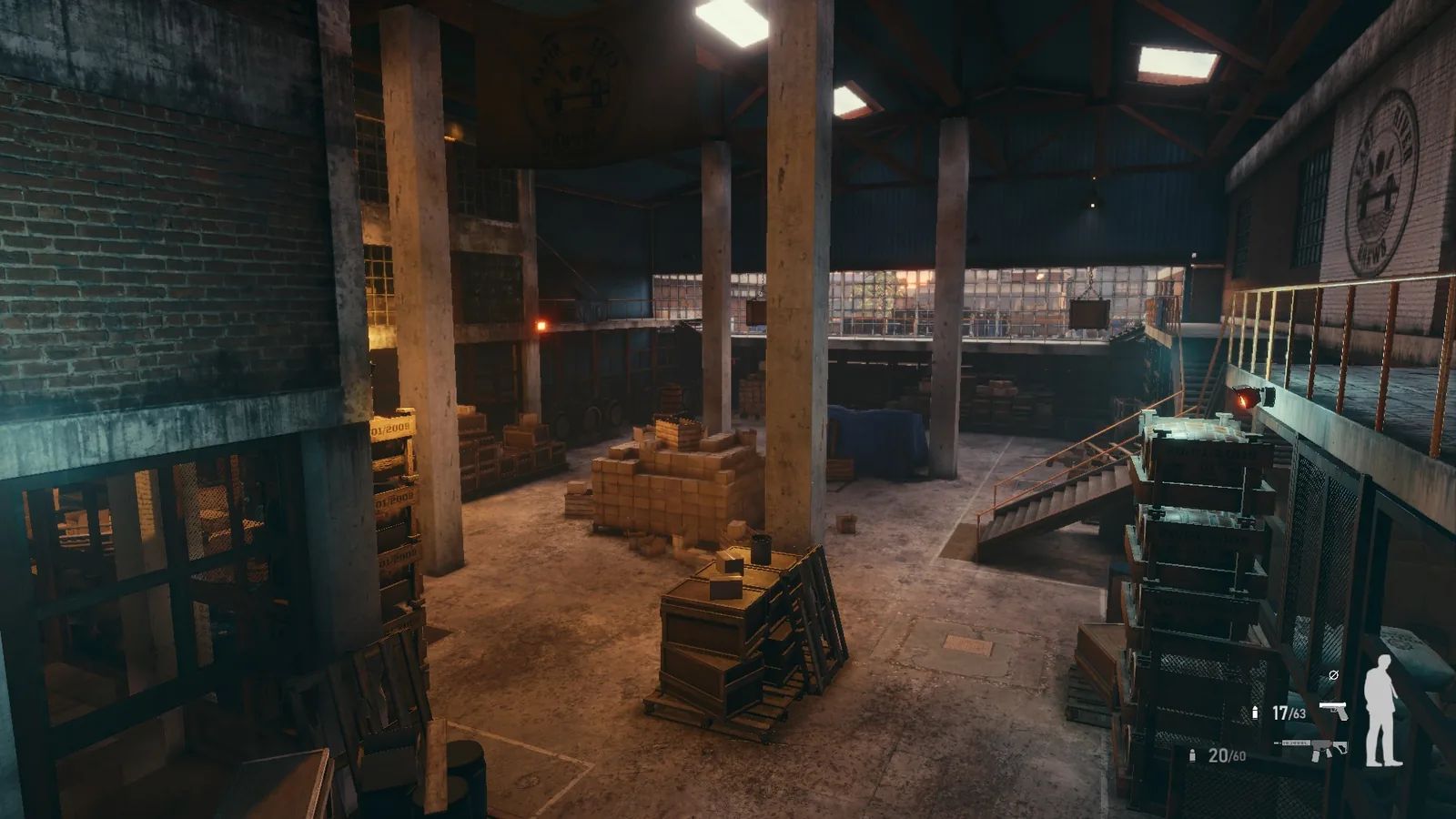
Inside the BLACKWOOD warehouse, with a steel staircase to the mezzanine, concrete columns, crates and caged lamps.

What we
build.

We build the spaces players move through, and the props that fill them, to a stated polygon, texel and performance budget.

Modular kits. Repeatable walls, floors, trims and set-dressing pieces that can be rearranged to block out more than one space without modeling every surface from scratch.

Hero props and set dressing. One-off objects placed where the player looks closest, plus the smaller dressing that makes a room feel used.

Interiors and exteriors. Warehouses, yards, streets, offices and staged interiors — the range of spaces we already build on BLACKWOOD — or other typologies in your brief.

PBR materials, trim sheets and decals. Shared texture sets and decals so many assets can share materials and stay cheap to draw.

LODs, collision and lightmap UVs. Level-of-detail meshes, collision ready for the engine’s naming rules, and a second UV channel when baked lighting is part of the pipeline. We use our own Null Game Toolkit in Blender when UCX collision, LODs and batch FBX export are part of the hand-over; that tool is made by Null Labs, the tools arm of Null Station.

Spaces and assets
we take on.

01

Modular kits

Repeatable walls, floors, trims and dressing pieces that can be rearranged across more than one space.

02

Hero props and unique assets

The objects that carry a scene: furniture, machines, signage and set pieces built to the art bible.

03

Interiors, streets and exteriors

Rooms, sound-stage sets, streets and yards, laid out from the blockout rather than invented around it.

04

Landscapes and terrain dressing

Outdoor ground, foliage and dressing where the level needs it, built to the same budget as the rest of the world.

05

Materials, decals and collision

Shared PBR materials, decals, LODs and collision so the level holds together in the engine.

Performance without
losing detail.

Detail has to survive the engine budget, not just look good in a still.

The approach we use on BLACKWOOD is to build to the blockout, share textures and decals across many assets, put LODs on props and environment pieces, and clean the scene in real time before it is integrated. Trim sheets and shared materials cut draw calls. A separate guide covers the wider optimization checklist: Optimizing 3D assets for games.

We do not quote a single polygon number here. The budget comes from your target platform and is agreed in the brief.

From blockout
to engine.

Most environment jobs follow the same sequence. The calendar depends on the size of the level and the amount of unique detail; we confirm a schedule after the brief, and we split the work into milestones you can review.

01 · Brief and budgets
Art bible, references, engine and version, polygon and texel budgets, and the first levels to start on.
02 · Greybox lock
We review scale, circulation and camera against your blockout before heavy modeling starts.
03 · High-detail pass
Modular kits, unique assets and materials, with a first texture pass you can review in stills or a work-in-progress scene.
04 · Engine and reviews
Assets go into Unity or Unreal. Reviews every 1–2 weeks, by milestone, against the brief and the budget.
05 · Delivery
FBX or OBJ with PBR texture sets, named and scaled for your pipeline, plus LODs and collision as agreed. We can also drop a packaged engine scene when that is part of the brief.

What to send
us to start.

The more of this you can share at the start, the faster the first milestone is useful:

  • Art bible or style references, and any existing concept art.
  • Blockouts or greybox levels, if you have them.
  • Engine and version (Unity or Unreal), plus any renderer or lighting setup we should match.
  • Polygon and texel budgets, and whether baked lightmaps are in the pipeline.
  • Naming, folder and handover conventions, including collision prefixes or suffixes.

If some of that is still being decided, say so. We can start from references and a conversation about the first space. Environment art is also offered as part of our wider game art and animation work, when a project also needs characters or animation.

Direction
Art bible or style references, and any existing concept art.
Blockout
Greybox levels or blockouts, if you have them — we can start from drawings or concepts if you do not.
Engine & budgets
Engine and version (Unity or Unreal), plus any polygon, texel, memory or frame-time budgets.
Scope
Which spaces ship first, and whether you need a packaged engine scene as well as asset files.

05b / Production-ready

How we keep environments production-ready

Built for the engine they ship in. For BLACKWOOD, a cinematic third-person action game in Unity by AttritoM7 Productions, we have been building environment and prop art from client blockouts since 2025 — four to five Act 1 levels so far, with Act 2 in progress. The BLACKWOOD case study and work page show the spaces.

We plan polygon and texel budgets up front, then retopologize and lay out UVs so textures bake cleanly. Our retopology guide explains the approach. In Blender we use our own Null Game Toolkit for UCX collision, LODs and batch FBX or glTF export, and we write up game-model optimization separately.

Engagements are project-based, or an ongoing dedicated team when the work is long-running — BLACKWOOD is the latter. We send a quote after reviewing the brief and bill in USD by milestone. An NDA can be signed before you share builds or an unannounced title. You own the final files once payment clears, as on our other game-art work; Null Station keeps the right to show completed work in its portfolio unless the agreement says otherwise.

Selected work.

Inside the BLACKWOOD warehouse, with a steel staircase to the mezzanine, crates and caged lamps.Client collaboration

BLACKWOOD

AttritoM7 Productions · Environment and prop art · Unity

01

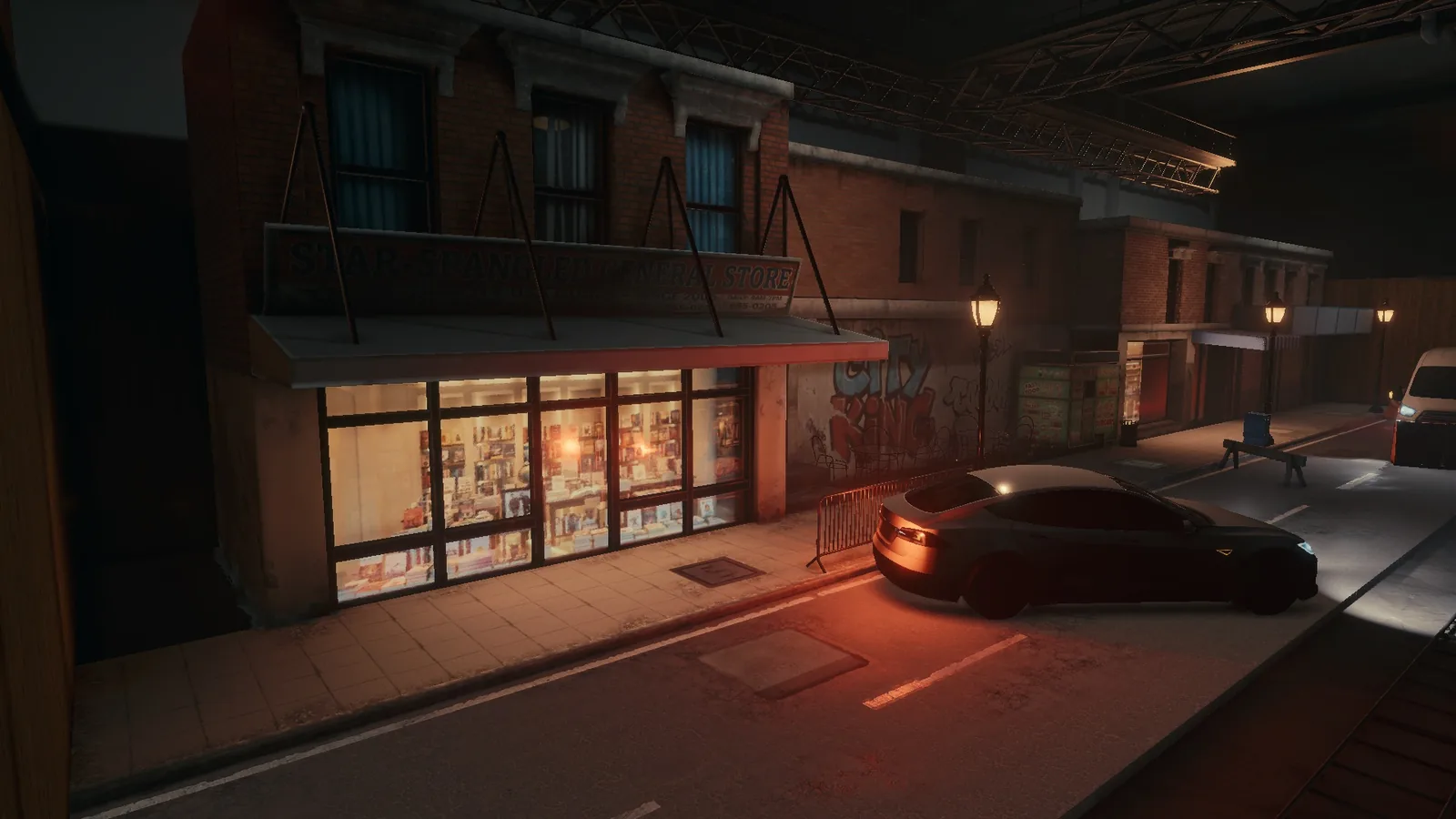
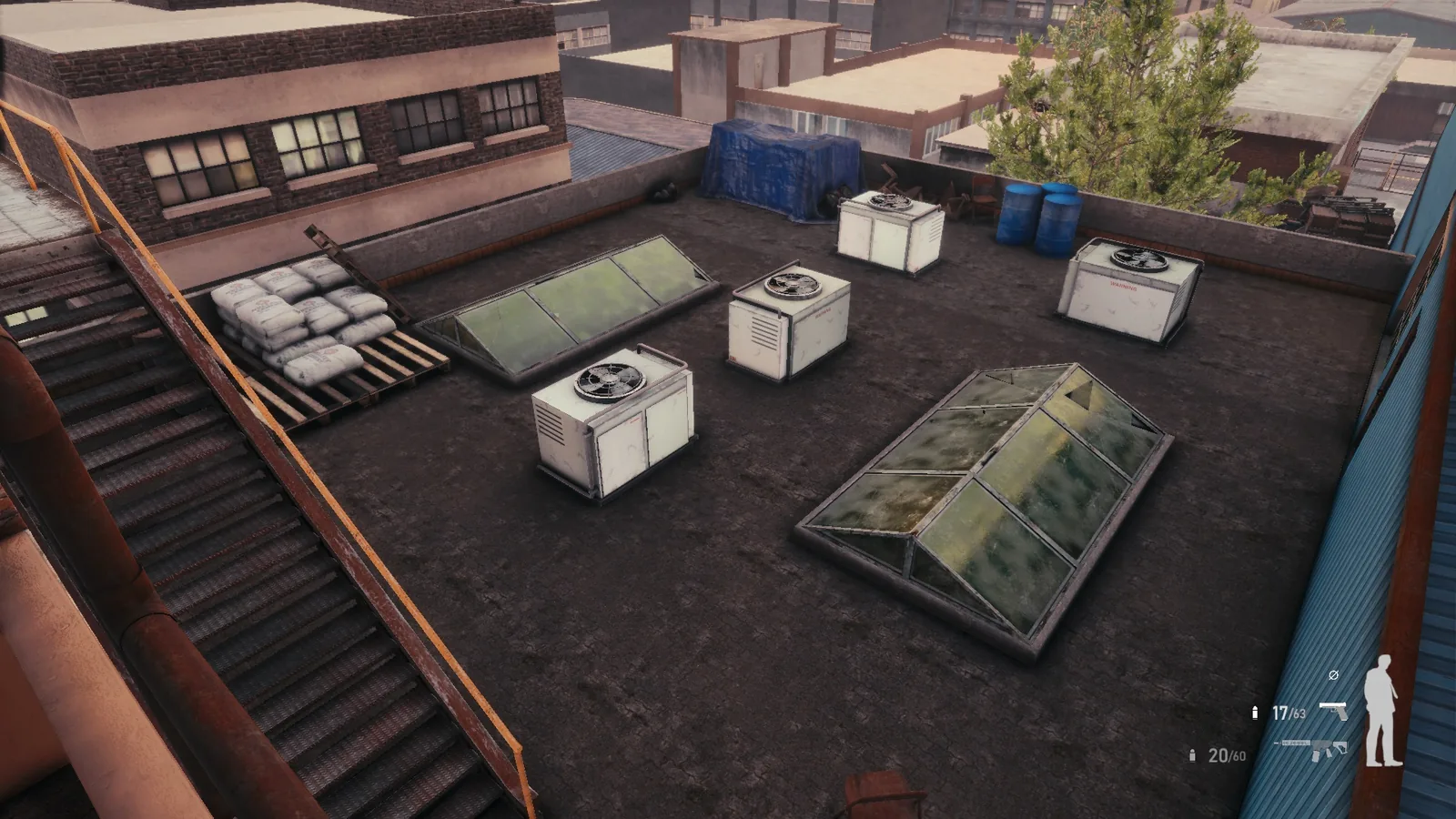
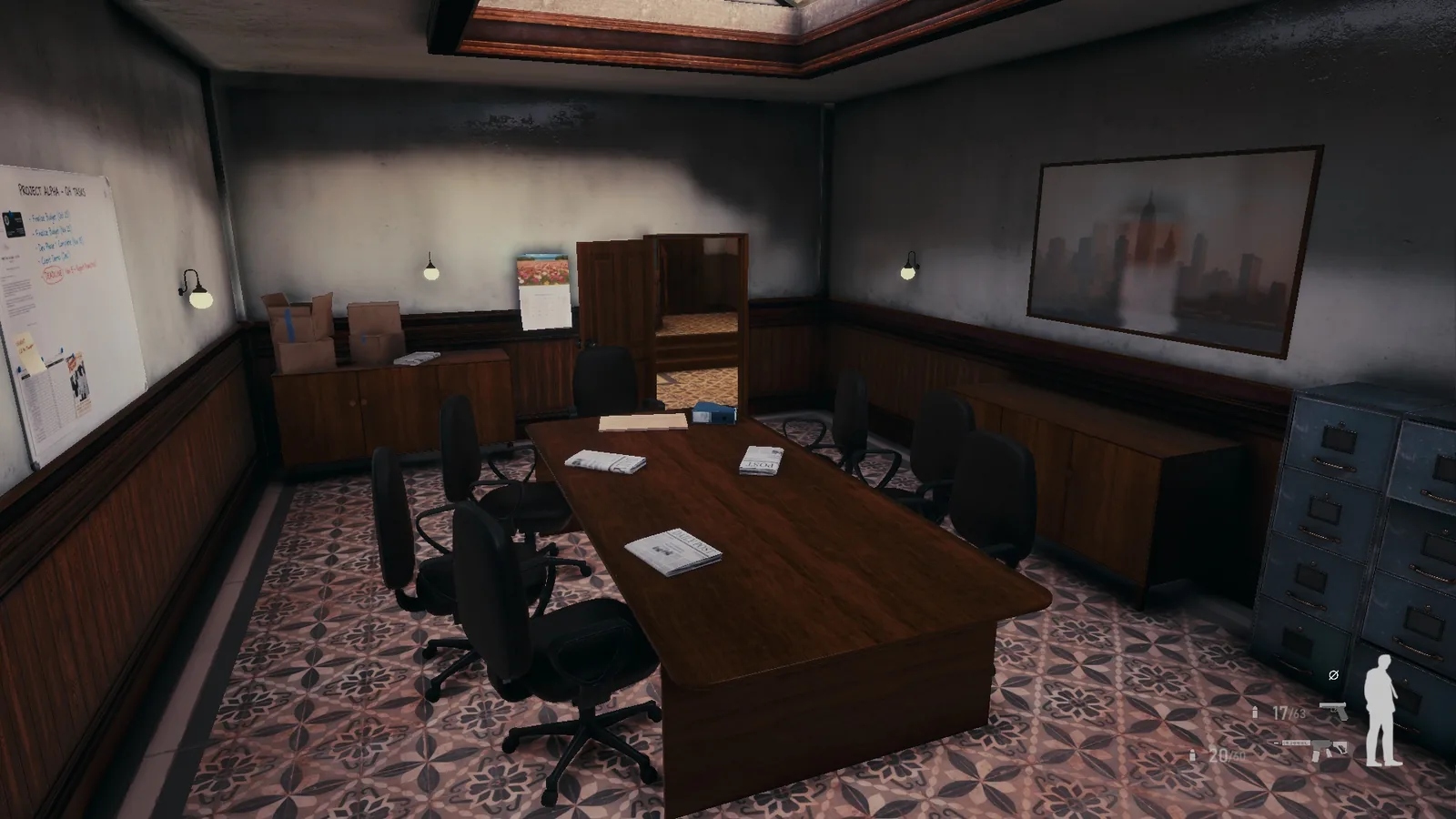
BLACKWOOD is a cinematic third-person action game. For Act 1 we designed the environments and modeled the props for four to five levels: an industrial warehouse with a mezzanine, the walled service yard outside it, a briefing room, a prop-dense workroom, a rooftop, a wood-panelled office, a night street, and a film-studio level with sound-stage sets. The work includes decals and texturing, LODs and model optimization. A team of 12 Null Station artists has been on the project full time since 2025, for 12 months so far; the collaboration is ongoing and we are now working on Act 2. The levels were built from the studio’s blockouts. Read the case study or the project page.
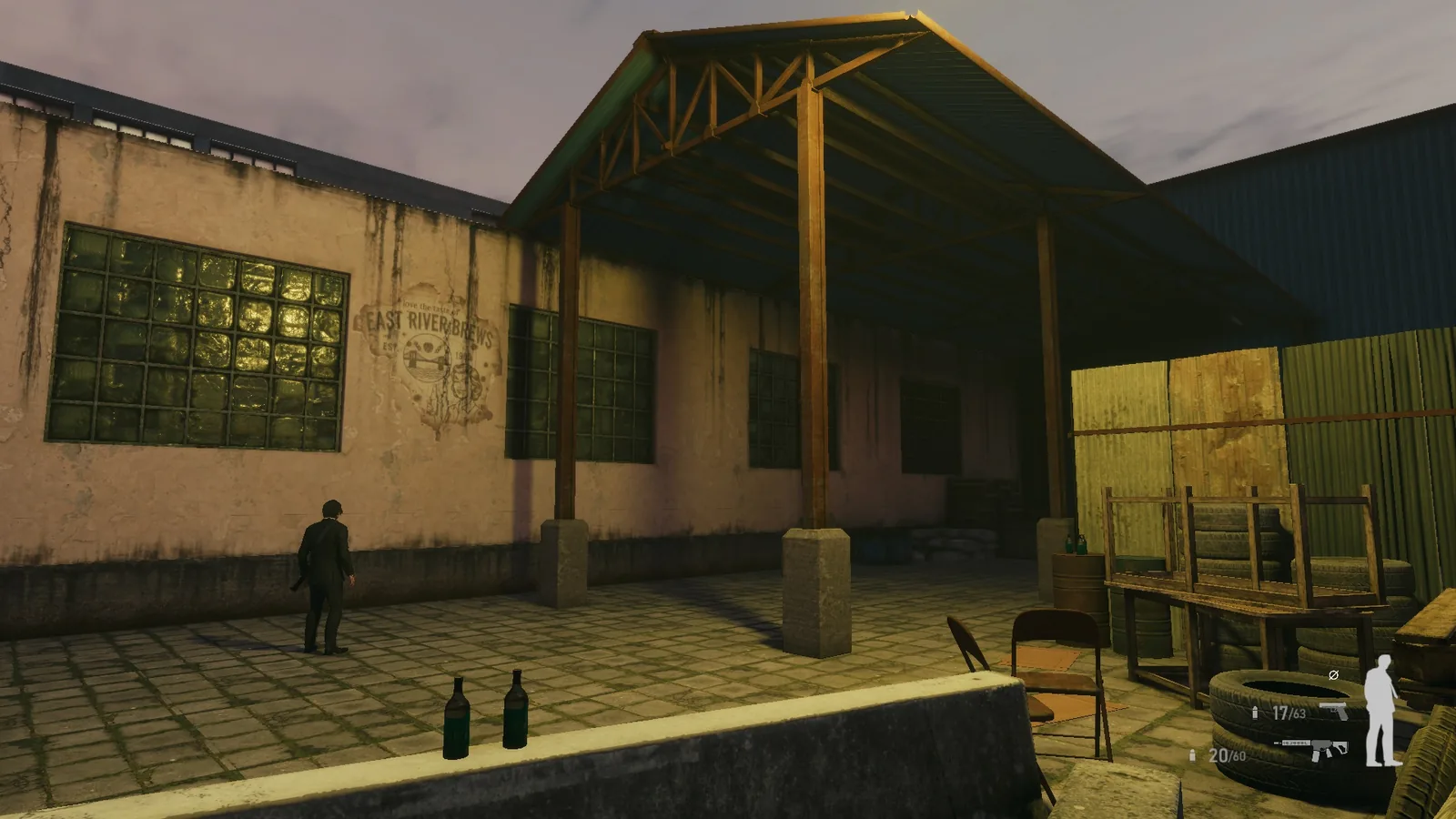
Exterior of the BLACKWOOD warehouse at dusk, with a steel canopy, barred windows and pallets in the yard.
Warehouse yard
Briefing room in BLACKWOOD with a wooden table, black office chairs, a skylight and wood panelling.
Briefing room
Night street in BLACKWOOD with a lit corner shop, a parked car and brick buildings.
Night street
BLACKWOOD rooftop with skylights, air-conditioning units and a fire-escape stair.
Rooftop

Building a world worth playing?

Send the brief, the blockout if you have one, and the engine budget. We will come back with a milestone plan.

Questions about
environment art.

A playable space and the assets that fill it: a modular kit, hero props and set dressing, PBR textures, decals, LODs, collision, and, when the brief asks for it, an engine scene in Unity or Unreal. File formats are usually FBX or OBJ with PBR texture sets; we confirm the exact handover in the brief.

It depends on the size of the level and the amount of unique detail. We work blockout-first and split the job into milestones, typically reviewed every 1–2 weeks, and we confirm a schedule after the brief. As context only: on BLACKWOOD, environment and prop art for four to five Act 1 levels has been built in Unity by a team of 12 artists over about 12 months, and Act 2 is in progress.

Yes. That is the usual starting point. BLACKWOOD was built from the client’s blockouts, which fixed the layout before the rooms were dressed and textured.

Both pipelines. We deliver FBX or OBJ with PBR texture sets ready for either engine, or set up the scene in an engine project on request. BLACKWOOD is produced in Unity.

We build to the blockout, share textures, trim sheets and decals, add LODs on props and environment pieces, and check the scene in-engine before handover. The exact polygon and texel budget is the one in your brief. See also Optimizing 3D assets for games.