Character animation creates emotion by making a character’s thoughts readable. Timing, posing, facial expression and weight let the audience see intent before action, and the principles of animation turn that intent into motion people instinctively believe, even when the character is far from realistic.
Null Station handles this kind of work as part of 3D Visualization & Films. If you do it yourself, our Null Labs tool Trimotion cleans up mocap and reduces keyframes in Blender.
Animation—a magical realm where drawings come alive, stories unfold, and emotions dance across the screen. From childhood favorites to modern masterpieces, animated characters have a way of tugging at our heartstrings. But have you ever wondered why? Let’s delve into the psychology behind character animation and explore how it impacts our emotions and behavior.
1. Emotional Responses to Animation
Why do we feel so deeply when watching animated films? It’s more than just pixels and frames—it’s storytelling in its purest form. Here’s how animation evokes emotions:
- Form of Storytelling: Since ancient times, humans have used stories to make sense of the world, share wisdom, and connect with others. Animation takes this tradition to new heights, weaving visuals and sound into a rich tapestry that transports us to distant lands and introduces us to unforgettable characters.
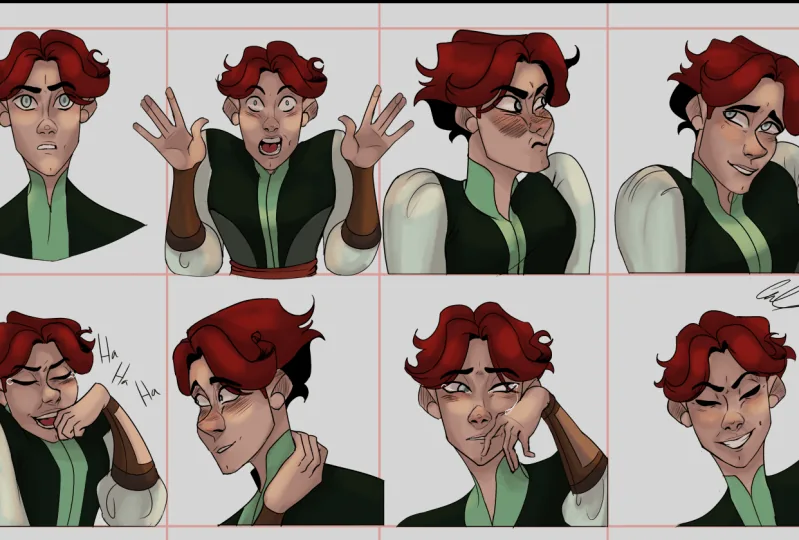
- Techniques That Speak: Animators wield a palette of techniques. Colors and lighting create mood; music and sound effects heighten tension. Characters wear their emotions on their sleeves—facial expressions and body language draw us in, making us laugh, cry, or hold our breath.
2. Nostalgia and Emotional Connection
Remember the classics? The Lion King, Beauty and the Beast, and a host of other timeless animations. These films aren’t just entertainment; they’re emotional time capsules. Revisiting them as adults floods us with memories, like finding an old photo album. This nostalgia shapes our choices—from the movies we watch to the products we buy.
3. Psychological Principles at Play
Beyond emotions, psychology plays a starring role in animation:
- Social Learning Theory: We learn by observing and imitating. Animated characters become our mentors, teaching us social skills, values, and life lessons. Kids, especially, absorb these messages like sponges.
- Cognitive Dissonance: When animation challenges our beliefs or values, we squirm a little. It’s that mental tug-of-war. But it’s also an opportunity for growth.
4. The Art-Science Fusion
Character animation isn’t just art; it’s science too. Here’s how to master it:
- Timing and Spacing: The heartbeat of movement. Understand squash-and-stretch, easing in and out. Consistent timing keeps characters alive.
- Anatomy and Proportions: Study real-life motion. Know how joints flex, muscles ripple. Sketch before you animate.
- Tools and Software: Adobe Animate, Toon Boom Harmony, Blender—pick your weapon. Rigging systems simplify movement.
5. The Journey Ahead
As animators, we’re storytellers, psychologists, and dreamweavers. Each character we breathe life into carries a piece of our soul. So, let’s keep animating—a frame at a time. 🎬
The principles behind believable motion
Emotion on screen rests on craft. Timing, anticipation, squash and stretch, follow-through and clear staging are the classic principles that make a character feel like it has weight and intent. When they are applied well, the audience stops seeing animation and starts reading a performance.
Related: Game art and animation · The New Beginning · Rigging characters for animation
05 / Questions
Ask us anythingBefore you
get in touch.
It depends on scope: the number of assets or shots, the level of detail and the delivery formats. We send a quote after reviewing your brief and bill in USD by milestone.
It depends on scope; we confirm a schedule after the brief. Larger or more detailed projects are split into milestones so you can review progress along the way.
Animation is usually delivered as rendered video (MP4 or ProRes) or as FBX animation clips for your engine. We confirm the exact formats and specs in the brief so the files fit your pipeline.
You share the script or action list and the characters. We block the animation, refine timing and performance with your feedback, then polish and deliver the final animation.
Clients officially own the final files once payment clears. Null Station keeps the right to show the work in its portfolio.