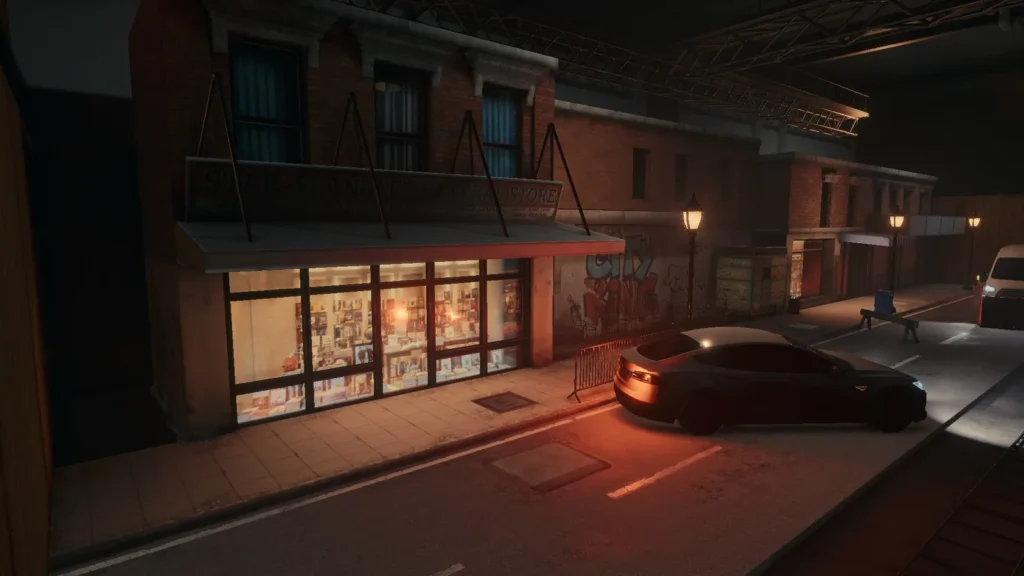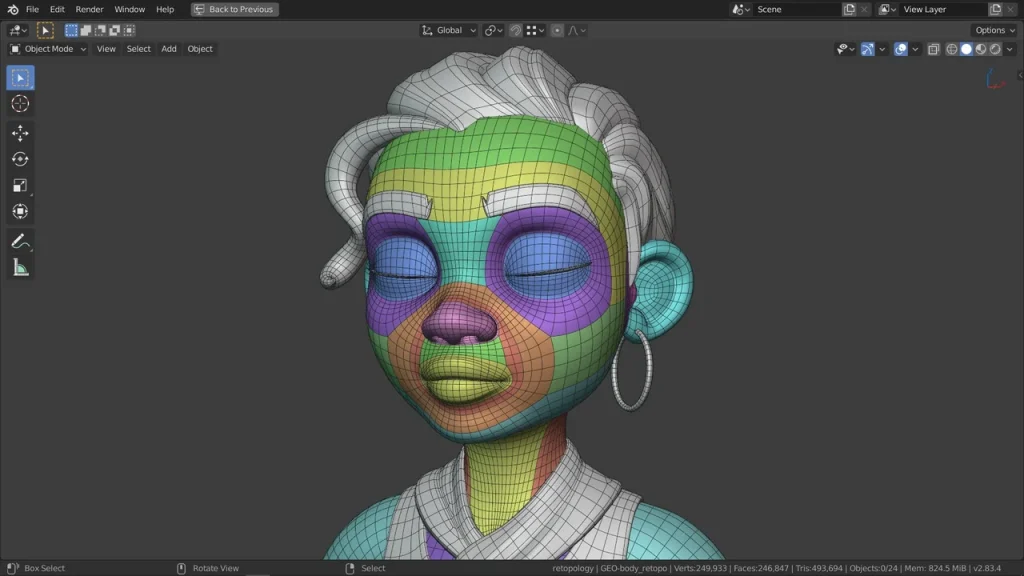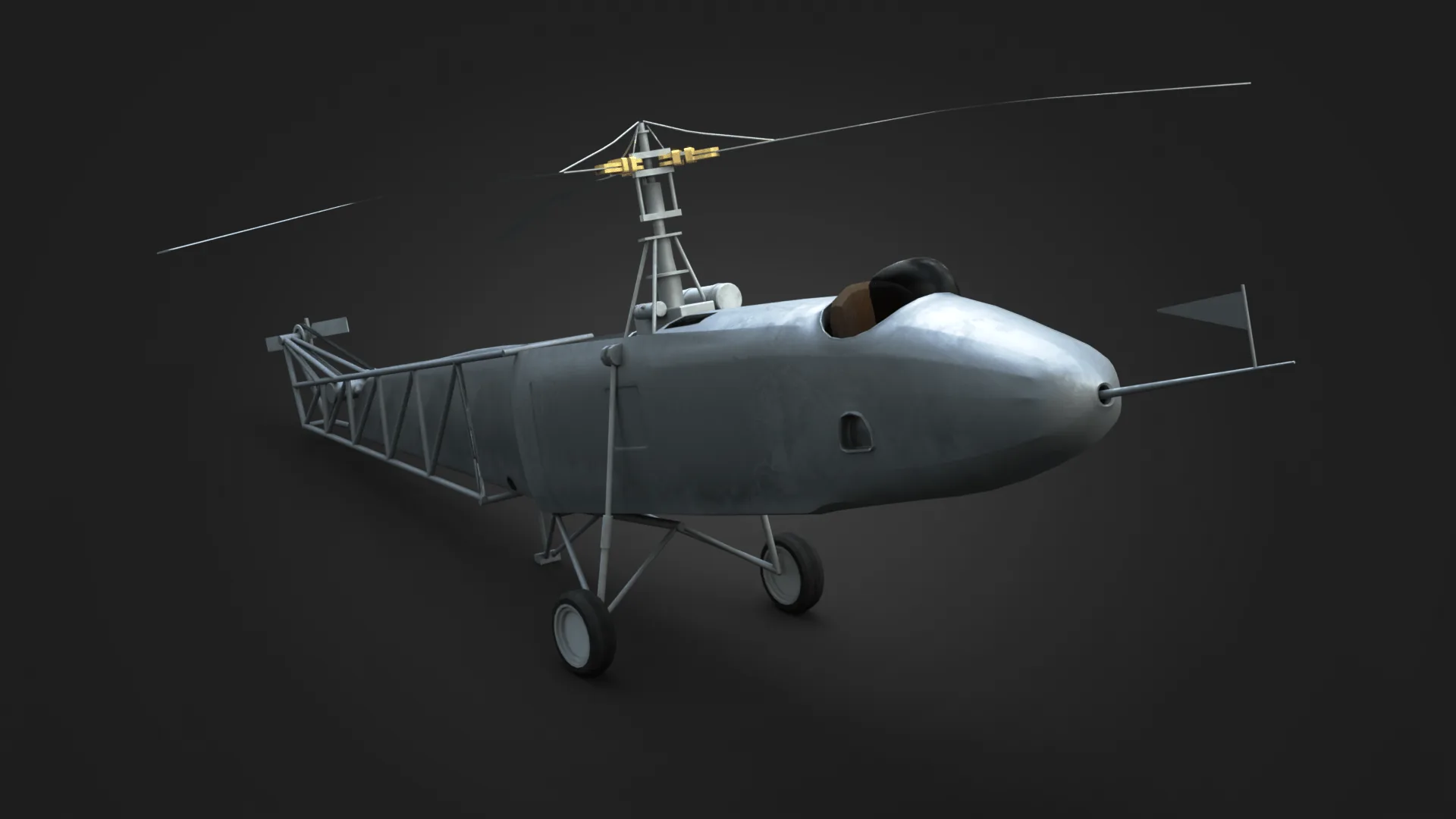
Technical visualization uses accurate 3D models and animation to explain how industrial products, machines and processes work. It turns CAD data into clear visuals for sales, training and documentation, and it can show internal mechanisms, assembly steps and operating conditions that photography cannot.
If you do it yourself, our Null Labs tool Blenspy matches a Blender camera to a photo’s perspective.
In the dynamic landscape of manufacturing and industry, industrial modeling emerges as a powerful force, revolutionizing how we optimize operations. Let’s delve into the latest trends that are unlocking efficiency and reshaping the way we make things.
What Is Industrial Modeling?
At its core, industrial modeling involves creating virtual replicas of real-world systems, processes, or products. These digital twins bridge the gap between the physical and digital realms, allowing us to monitor, simulate, and optimize industrial phenomena. Here’s what’s on the horizon:
- Digital Twins:
- The adoption of digital twins, virtual replicas of physical manufacturing systems, will skyrocket.
- These digital simulations enable real-time monitoring and optimization, enhancing efficiency and reducing downtime.
- Beyond real-time monitoring, digital twins in 2024 will also facilitate advanced scenario planning and troubleshooting, enabling manufacturers to simulate and predict the impacts of various operational changes and external factors on their systems.
- Reshoring:
- With a focus on supply chain resilience, manufacturers are increasingly bringing production back to their home countries.
- Reshoring efforts aim to reduce dependency on foreign suppliers and mitigate supply chain disruptions.
- This trend will not only focus on reducing dependencies but also aim at creating more localized, responsive, and sustainable manufacturing ecosystems. It will foster innovation and quality improvement in local industries.
- Reskilling Workforce:
- To keep up with technological advancements, manufacturers will invest in reskilling their workforce.
- Training programs will focus on digital skills, automation, and data analysis.
- Reskilling initiatives will likely blend traditional manufacturing knowledge with digital expertise, creating a more agile and adaptable workforce capable of handling advanced manufacturing technologies.
- Carbon Neutrality:
- Environmental sustainability is a top priority.
- Manufacturers will accelerate efforts to achieve carbon neutrality by implementing green manufacturing processes and reducing emissions.
- A holistic approach to sustainability, considering the entire lifecycle of products, will be crucial.
- Industrial Automation:
- Automation will continue to expand across manufacturing processes, with robots and cobots boosting productivity and accuracy.
- Advanced automation will incorporate AI for more intelligent decision-making processes, enabling more autonomous and self-regulating manufacturing systems.
- Additive Manufacturing:
- 3D printing and additive manufacturing will become even more integral to the production process.
- Rapid prototyping, customization, and reduced waste are some benefits.
- Handling a broader range of materials, including advanced composites and biodegradable materials, will open new possibilities for sustainable manufacturing and complex product designs.
- Artificial Intelligence (AI):
- AI-driven analytics will optimize production lines, predict maintenance needs, and improve quality control.
- AI becomes a key enabler of efficiency, driving innovation in manufacturing.
In conclusion, industrial modeling is not just a concept—it’s becoming a reality that transforms how we create, innovate, and thrive in the manufacturing world. 🌐🏭
Related: 3D visualization and films · Tractor simulator rig · From 3D content to an interactive simulation
05 / Questions
Ask us anythingBefore you
get in touch.
It depends on scope: the number of assets or shots, the level of detail and the delivery formats. We send a quote after reviewing your brief and bill in USD by milestone.
It depends on scope; we confirm a schedule after the brief. Larger or more detailed projects are split into milestones so you can review progress along the way.
Visualizations are usually delivered as MP4 or ProRes video and PNG or TIFF stills, with interactive versions as engine builds on request. We confirm the exact formats and specs in the brief so the files fit your pipeline.
You share the technical data, drawings or CAD and the message to explain. We plan the sequence, build accurate 3D scenes, share previews for review, and deliver after your approval.
Clients officially own the final files once payment clears. Null Station keeps the right to show the work in its portfolio.