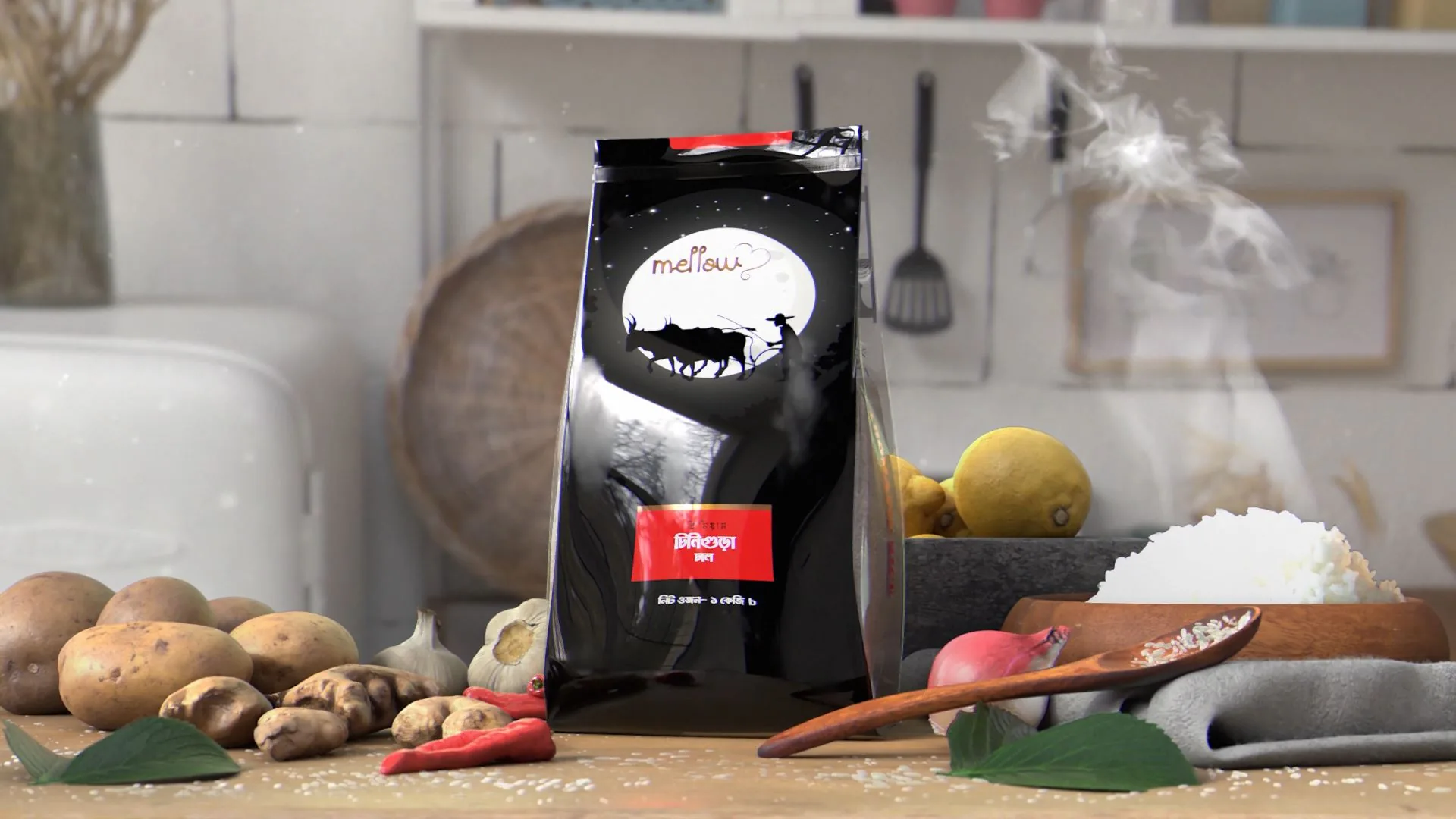
A product animation shows what a product does and why it matters, often in less than a minute. See our 3D product animation services. Planning one means defining the single message, writing a short script, storyboarding key shots, then building accurate 3D models so the product can be shown from angles and inside views a camera cannot reach.
If you do it yourself, our Null Labs tool Quick Align aligns and distributes objects inside Blender.
In today’s competitive market, product animation has become a powerful tool for businesses to showcase their offerings. Whether you’re launching a new product, explaining its features, or simply aiming to captivate your audience, mastering product animation techniques is essential. Let’s dive into the world of animated product content and explore how it can elevate your brand.
1. What Is Product Animation?
Product animation involves creating dynamic, three-dimensional animations of your products. It’s more than just showcasing features—it’s about telling a compelling story that resonates with your audience. Here’s why it matters:
- Visual Engagement: Animated visuals grab attention faster than static images or text. They create an emotional connection with viewers.
- Simplifying Complexity: Some products have intricate features that are hard to convey through traditional media. Animation simplifies complex ideas, making them accessible to all.
- Brand Identity: Well-executed product animations reinforce your brand identity. They communicate quality, innovation, and attention to detail.
2. The Process: From Concept to Screen
Storyboarding and Concept Development
- Storyboard: Start by sketching out the sequence of events in your animation. Visualize how your product will come to life.
- Concept Development: Understand your product’s unique selling points (USPs). What problem does it solve? How does it enhance the user experience?
Choosing the Right Software
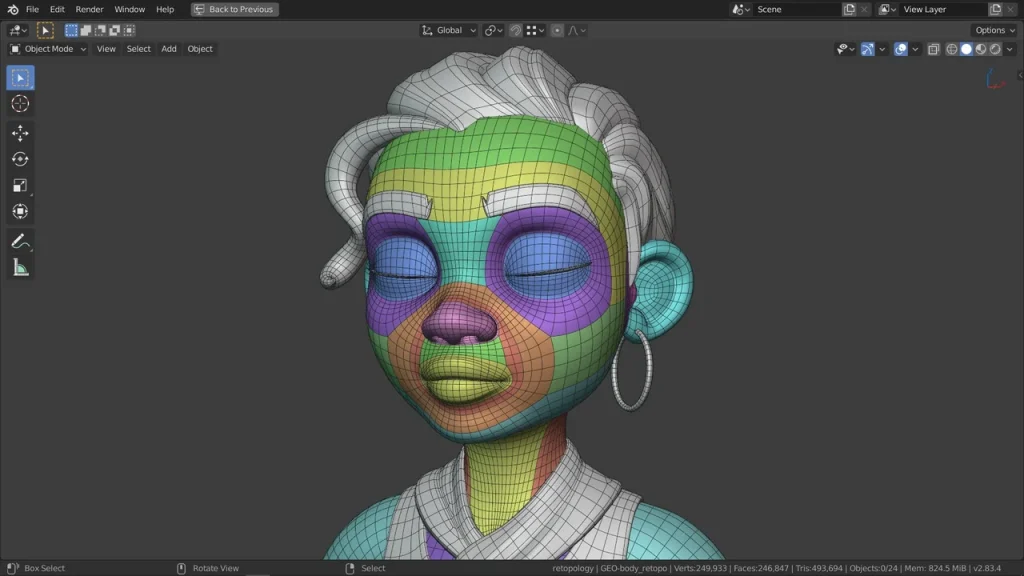
- 3D Modeling Software: Tools like Blender, Maya, or Cinema 4D allow you to create realistic 3D models of your product.
- Animation Software: Use software like 3ds Max, After Effects, or Houdini to bring your models to life.
Creating Realistic 3D Models
- Attention to Detail: Model your product accurately. Pay close attention to dimensions, textures, and materials.
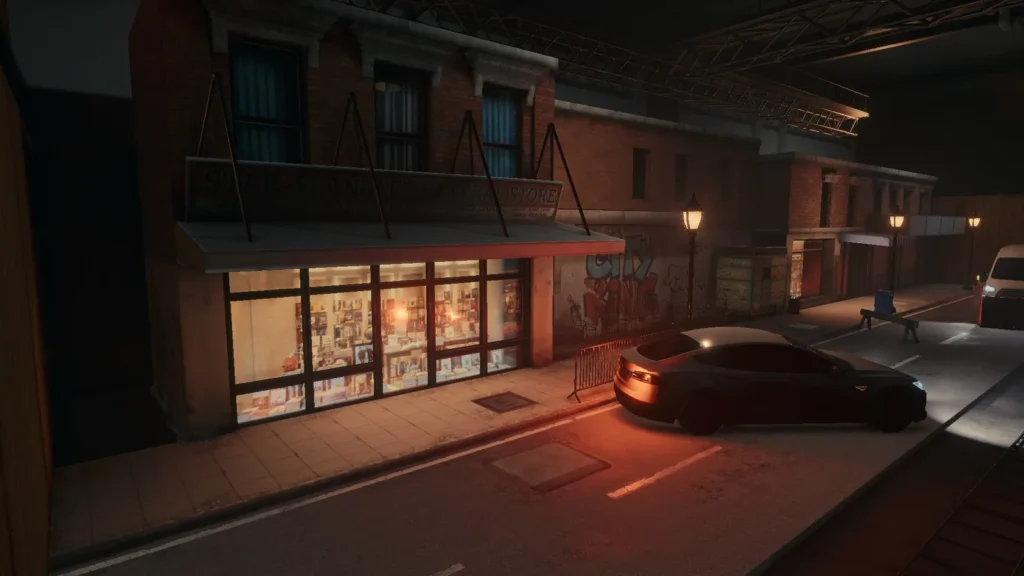
- Lighting and Shadows: Realism comes from proper lighting. Experiment with different setups—studio lighting, natural sunlight, or moody ambiance.
Storytelling and Animation Techniques
- Tell a Story: Your animation should have a narrative. Showcase the product’s features in context. How does it fit into users’ lives?
- Camera Movement: Dynamic camera angles keep viewers engaged. Zoom in, pan out, rotate—create visual interest.
- Transitions: Smooth transitions between scenes maintain flow. Use wipes, fades, or creative transitions.
Sound and Music
- Sound Effects: Add subtle sounds—button clicks, motor hums, door opens. These details immerse viewers.
- Background Music: Choose music that complements your brand. Is it upbeat, calming, or sophisticated?
Polishing Your Animation
- Rendering: Render your animation in high resolution. Pay attention to reflections, shadows, and depth of field.
- Call to Action (CTA): End with purpose. Guide viewers on what to do next—visit your website, make a purchase, or sign up.
3. Why It Matters for Your Brand
- Increased Engagement: Animated product videos hold attention longer than static images. They encourage viewers to explore further.
- Social Sharing: Engaging animations are more likely to be shared on social media. Leverage this to expand your reach.
- Memorable Brand Experience: When done right, product animations create a memorable brand experience. Viewers associate your brand with quality and innovation.
In conclusion, product animation isn’t just about aesthetics—it’s a strategic investment. So, whether you’re unveiling a new gadget, promoting a service, or showcasing a fashion line, let stunning prod
Why animation explains products well
People take in images faster than text, and they remember information better when they see and hear it together. A short animation with clear narration can show how a product works, inside and out, in the time it takes to read a paragraph.
Related: 3D visualization and films · The New Beginning · Product modeling for visualization
05 / Questions
Ask us anythingBefore you
get in touch.
It depends on scope: the number of assets or shots, the level of detail and the delivery formats. We send a quote after reviewing your brief and bill in USD by milestone.
It depends on scope; we confirm a schedule after the brief. Larger or more detailed projects are split into milestones so you can review progress along the way.
Animations are usually delivered as MP4 or ProRes MOV in the aspect ratios you need, such as 16:9, 1:1 or 9:16, with stills on request. We confirm the exact formats and specs in the brief so the files fit your pipeline.
You share the product files or references, the goal and where the video will run. We agree on scope and a quote, model the product, share a storyboard and previews, and deliver the final animation after approval.
Clients officially own the final files once payment clears. Null Station keeps the right to show the work in its portfolio.