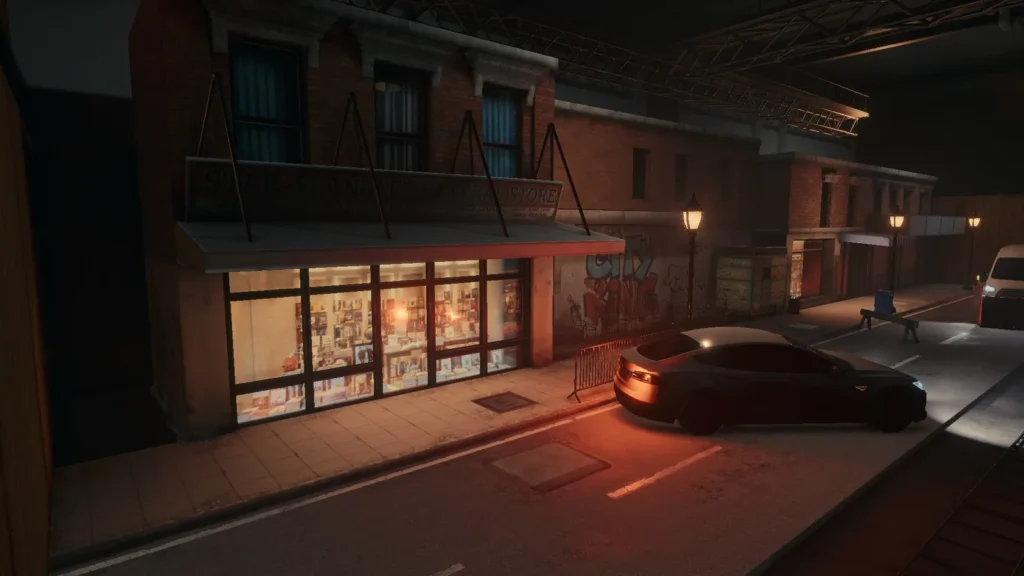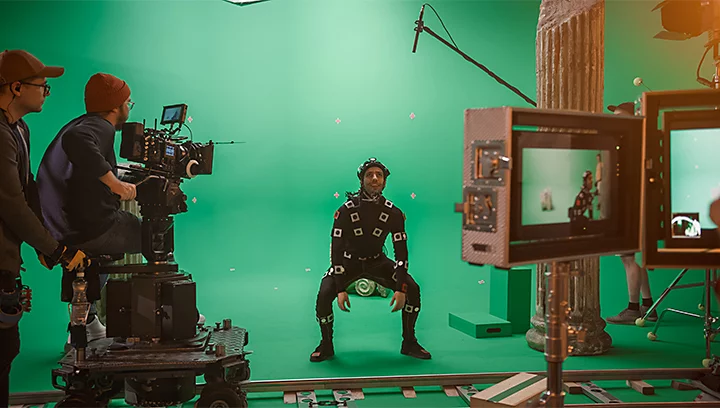
Visual effects fit a production at every stage, not only at the end. Planning starts in pre-production with previsualisation and breakdowns, continues on set with tracking markers, reference and supervision, and finishes in post with modeling, simulation, compositing and grading.
If you do it yourself, our Null Labs tool Blenspy matches a Blender camera to a photo’s perspective, and Null Cast streams live webcam video or screen captures onto Blender meshes.
In the mesmerizing world of cinema, visual effects (VFX) serve as the secret sauce that transforms ordinary scenes into extraordinary spectacles. From epic battles to fantastical creatures, VFX artists blend artistry and technology to create cinematic magic. Let’s dive behind the screen and explore the fascinating art and science of VFX in modern filmmaking.
A Brief History of VFX
The journey of visual effects dates back to the early days of filmmaking. Visionaries like Georges Méliès and Segundo de Chomón pioneered practical effects, using stop-motion animation and miniatures to create fantastical scenes. Méliès’ iconic film “A Trip to the Moon” (1902) featured a rocket crashing into the moon’s eye—an early milestone in special effects.
The Golden Age of Practical Effects
The 1950s to 1970s marked the golden age of practical effects. Monster movies and science fiction films thrived, with Ray Harryhausen leading the way. His stop-motion work in films like “The 7th Voyage of Sinbad” (1958) and “Clash of the Titans” (1981) brought mythical creatures to life frame by frame. Filmmakers like Stanley Kubrick used meticulously designed miniatures for space sequences in “2001: A Space Odyssey” (1968), while George Lucas combined practical models with innovative camera techniques in the original “Star Wars” trilogy (1977-1983).
The Digital Revolution: 1980s Onward
The true revolution came in the 1980s with digital technology. “Tron” (1982) introduced computer-generated imagery (CGI), immersing audiences in a digital world inside a computer. However, it was Steven Spielberg’s “Jurassic Park” (1993) that changed everything. Realistic CGI dinosaurs left audiences in awe, showcasing the potential of digital effects. Suddenly, lifelike creatures and environments were within reach.
The VFX Process
- Pre-Visualization (Previs): Planning begins with storyboarding and animatics to map out scenes.
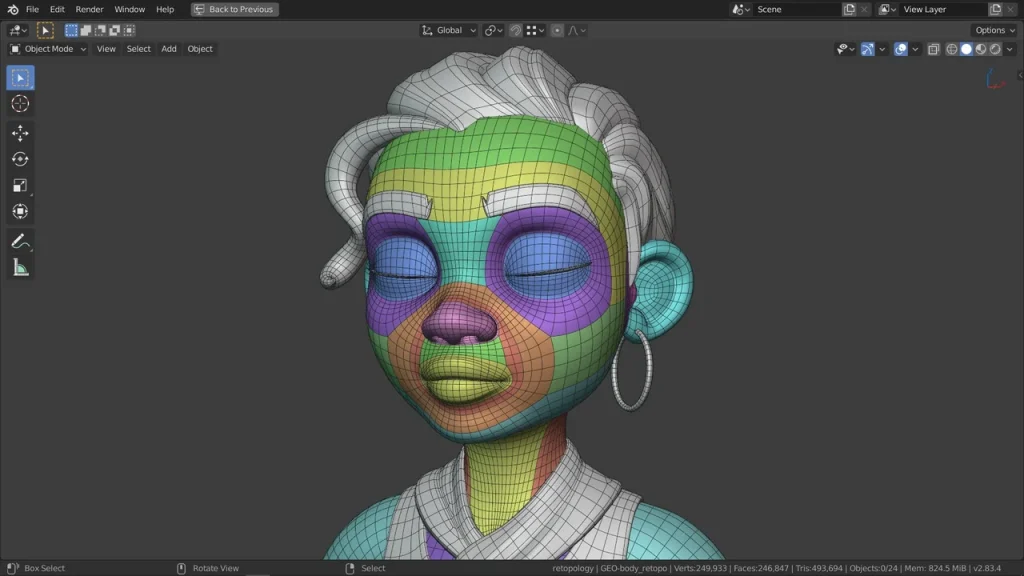
- Asset Creation: Artists design and create digital elements, from characters to environments.
- Simulation: Realistic movements, water, fire, and smoke are simulated.
- Rendering: All elements are compiled and processed to produce the final image.
- Compositing: Layers of imagery are combined seamlessly.
The Role of VFX Artists
VFX artists are the wizards behind the screen. Their skill set spans modeling, animation, matte painting, lighting, rigging, and texture creation. They blend creativity with cutting-edge tools to craft visual wonders.
Iconic Examples in Film
- Marvel Movies: A blend of practical effects and advanced CGI creates visually stunning experiences.
- Star Wars: A pioneer in VFX, combining traditional effects with groundbreaking digital technology.
- “Avatar”: A visual masterpiece that pushed the boundaries of CGI and 3D technology.
The Impact of VFX
Visual effects enhance storytelling, evoke emotions, and transport audiences. From mythical creatures to intergalactic battles, VFX continues to redefine cinematic possibilities. So next time you watch a blockbuster, remember the magic happening behind the screen—the art and science of VFX.
Cloth and soft-body simulation
Garments, flags and curtains are usually simulated rather than keyframed. The cloth is treated as a mesh of connected particles acted on by gravity, tension, wind and collisions, and solver settings trade physical accuracy against render time. Getting fabric to move convincingly is one of the quieter details that sells a shot.
Related: 3D visualization and films · The New Beginning · From Green Screens to CGI Wonders: Navigating the Latest Trends in VFX Technology
05 / Questions
Ask us anythingBefore you
get in touch.
It depends on scope: the number of assets or shots, the level of detail and the delivery formats. We send a quote after reviewing your brief and bill in USD by milestone.
It depends on scope; we confirm a schedule after the brief. Larger or more detailed projects are split into milestones so you can review progress along the way.
Shots are usually delivered as EXR or DPX image sequences or ProRes MOV, matched to your footage specs. We confirm the exact formats and specs in the brief so the files fit your pipeline.
You share the footage, shot list and references. We plan the shots, build CG elements and simulations, composite them, and deliver final shots after your review rounds.
Clients officially own the final files once payment clears. Null Station keeps the right to show the work in its portfolio.